

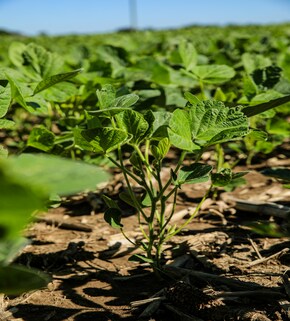
Imagine a future where our farms are not only more productive but also healthier for our soil, our communities, and our planet. This is the promise of regenerative agriculture—a way of farming that works with nature, restoring the land and enriching our lives.
What is Regenerative Agriculture?
Regenerative agriculture is more than just a set of farming techniques. It’s a return to caring for the earth. Instead of exhausting the soil with chemicals and over-tilling, regenerative practices nurture the land by using cover crops, organic fertilizers, and minimal tillage. This helps rebuild soil health, increase biodiversity, and even capture carbon from the atmosphere, all while producing nutritious food.
Innovations Making a Difference
In Ghana, new ideas and technologies are lighting the way forward for farmers, making sustainable practices not only possible but also profitable.
MicroFertile Bio-Stimulant
Research at Kwame Nkrumah University of Science and Technology showed that the MicroFertile Bio-Stimulant can truly transform how crops like cucumbers grow. When used at just the right rate, this natural fertilizer helps plants grow taller, produce more leaves, and even yield more fruit—up to nearly three times more than traditional methods. It’s not just about quantity; the fruits last longer too. Imagine a farmer who once struggled with poor harvests now enjoying vibrant, healthy crops and improved income, all thanks to a small change that makes a big impact.
Ekofertile Bio-Stimulant and Okra
Research conducted at Kwame Nkrumah University of Science and Technology (KNUST) also highlighted the impressive effects of Ekofertile Bio-Stimulant on okra cultivation. The study demonstrated that okra plants treated with Ekofertile grew more vigorously, developed healthier foliage, and produced significantly higher yields compared to conventional farming methods. Beyond its role in enhancing plant nutrition and boosting overall crop performance, Ekofertile also indirectly acts as a biopesticide, helping to strengthen plants against common pests and diseases.
For farmers, this means not only better yields and improved crop quality but also a more sustainable, cost-effective approach to cultivation. With fewer losses to pests and healthier plants from root to fruit, Ekofertile is proving to be a game-changer for okra farmers and beyond.
Why This Matters for Ghana?
These innovations aren’t just technical breakthroughs—they have real, human benefits:
Healthier Soil, Healthier Lives: By choosing regenerative methods, we’re investing in soil that can sustain generations. Healthier soil means stronger crops, better nutrition, and a safer environment for our children.
Empowering Farmers: When crops yield more and food waste is reduced, farmers see better returns. This leads to stronger communities, improved livelihoods, and a more resilient local economy.
A Sustainable Future: Regenerative agriculture helps fight climate change. With practices that capture carbon and boost biodiversity, our farms can be a part of the solution to global warming.
A Call to Action
Whether you grow vegetables, fruits, or tree crops, the future of farming lies in regenerative agriculture—practices that restore soil health, enhance crop resilience, and improve yields without harming the environment. Bio-stimulants like Microfertile and Ekofertile are leading the way, offering farmers natural solutions that nourish plants, improve productivity, and even provide protection against pests and diseases.
By embracing innovations like these, we can help farmers reduce losses, improve food quality, and secure better livelihoods. This is more than just farming—it’s about creating a healthier, more sustainable food system for generations to come.
Let’s stand with our farmers. Let’s invest in solutions that restore the land, increase food security, and make agriculture more resilient. The path to a greener future starts with the choices we make today.